Central banks, including China, continue to buy gold at historically high levels. This reflects ongoing macroeconomic uncertainty, concerns about currency debasement, and the potential for stagflation.
Gold remains a critical safe-haven asset for preserving capital in turbulent times. Investors and policymakers often turn to gold when inflation rises or global debt levels increase.
The rising demand for gold is not only from central banks but also institutional investors seeking protection against volatility in equities and bonds. Historical crises, including the 2008 financial crash, show that gold retains value when other assets decline.
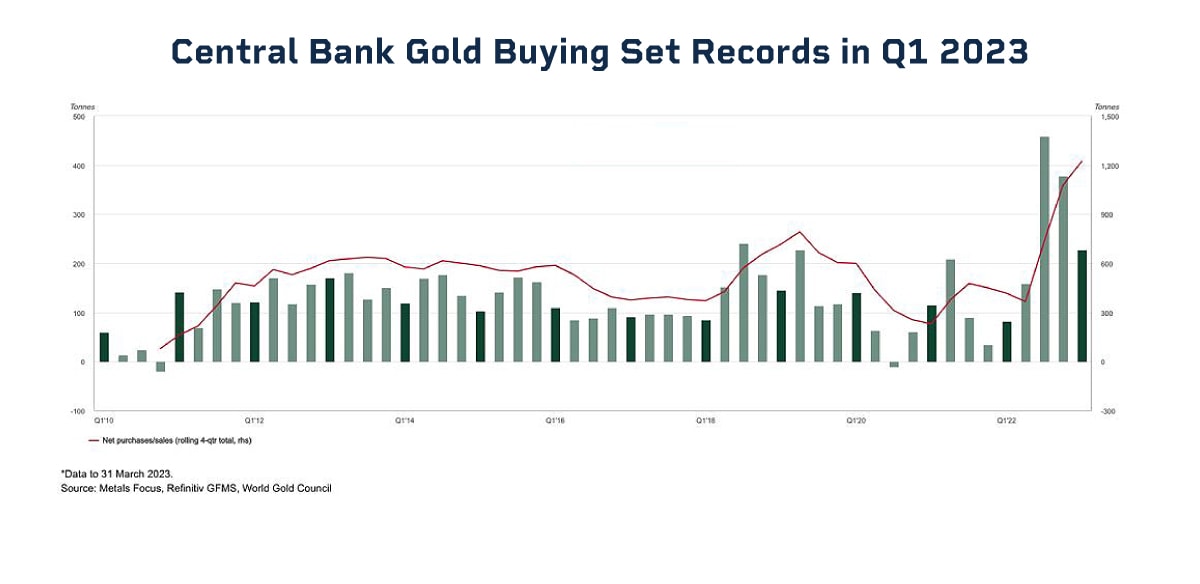
Central banks accumulate gold as a hedge against instability.
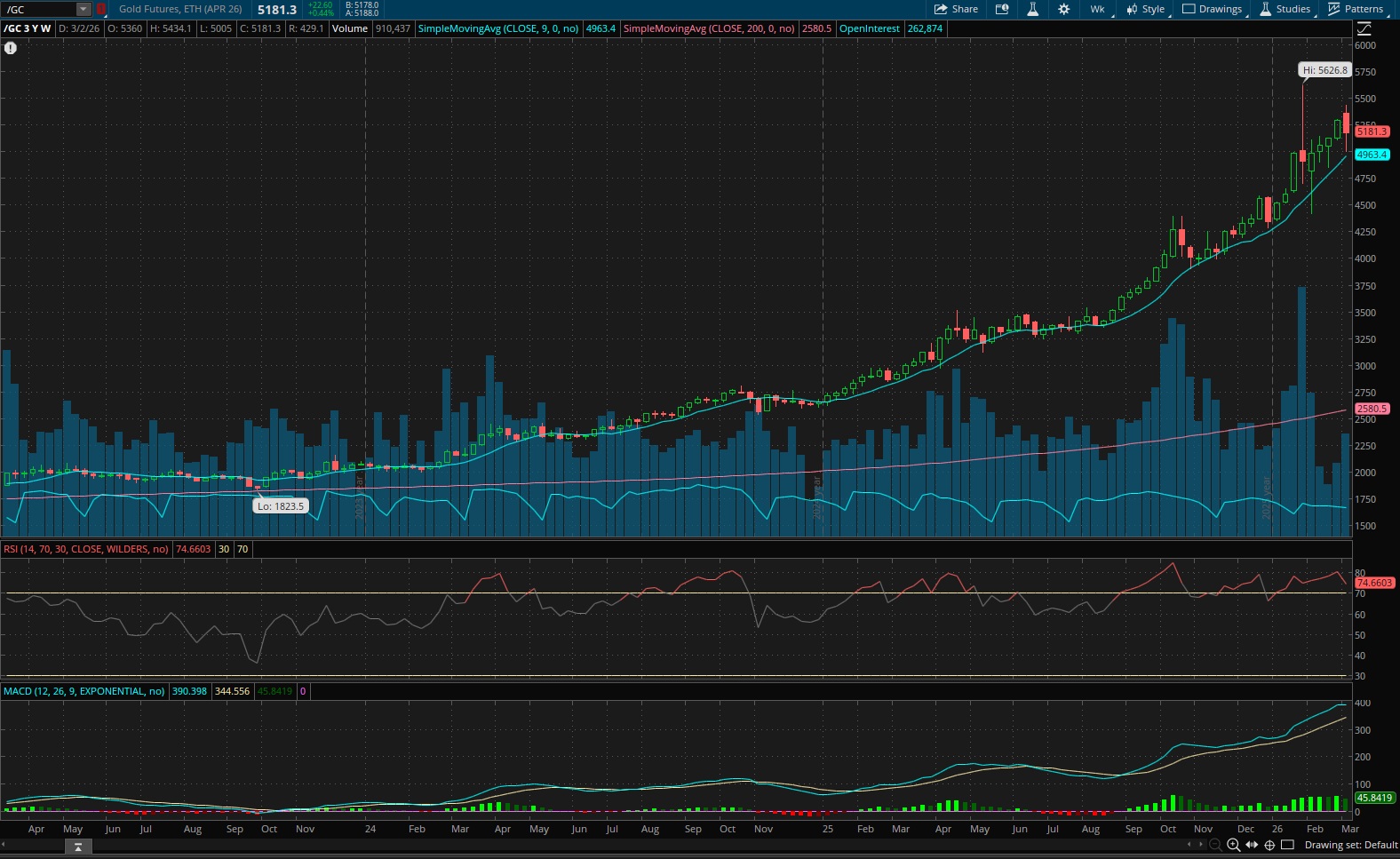
Gold price chart shows recent trends and increased volatility.
Investors should monitor macroeconomic indicators like M1 money supply, inflation trends, and currency movements to evaluate gold as a protective asset. Gold’s performance is often inversely correlated with equities during periods of stress.