CPI Calculation and Imputation
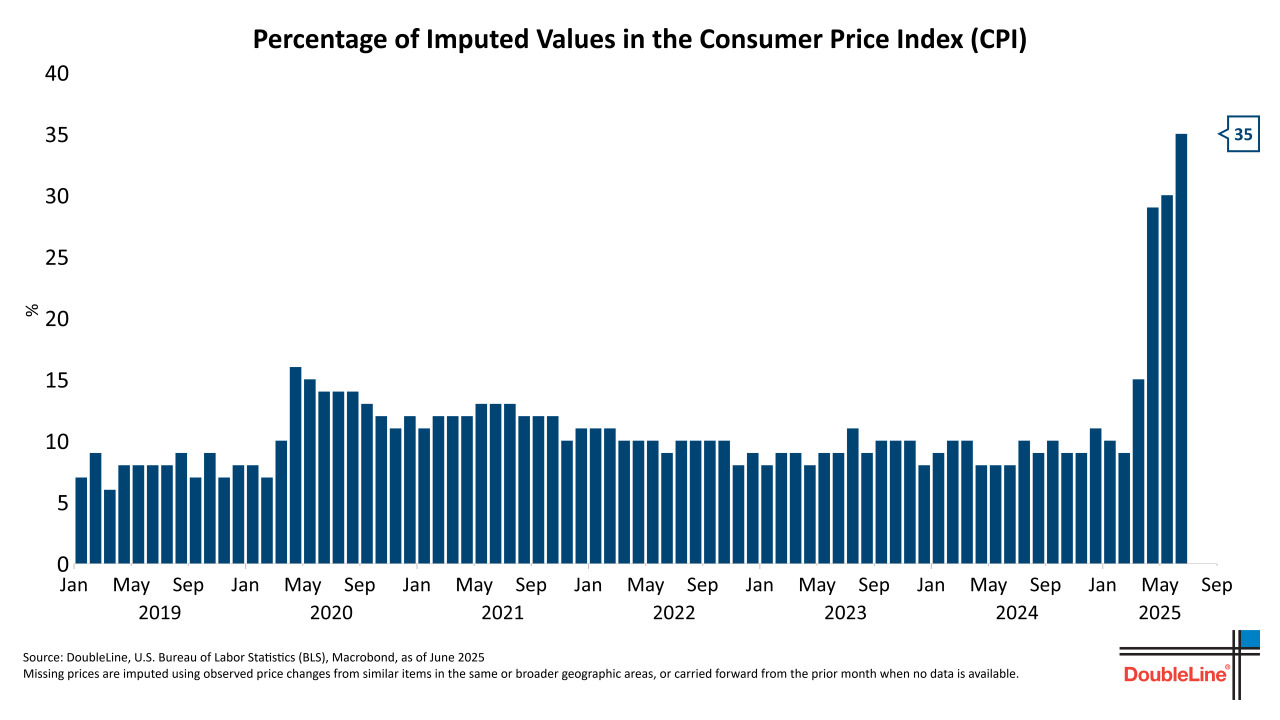
The Consumer Price Index (CPI) is one of the most important indicators for measuring inflation. Imputation fills gaps in missing price data by estimating based on similar observations.
Cell imputation has increased recently, leading to debate about whether CPI fully reflects consumer price changes. Critics argue that heavy reliance on estimated values can obscure true inflation trends.
Commodities and Services Survey
Missing data is estimated with home cell averages. If no local data exists, the BLS expands the scope or uses carry-forward imputation. This ensures continuity in reported CPI data while minimizing the impact of missing observations.
Housing Survey
Vacant units use estimated rent based on comparable units. Non-response is addressed using averages within the same rent category. Newly built homes may be cheaper than existing homes due to oversupply and affordability pressures.
Oil Prices as a Leading Indicator
Rising oil prices often predict higher inflation. Energy costs affect transportation, production, and household expenses. Gasoline price changes can quickly impact headline CPI.