Introduction
Global financial markets are entering an increasingly fragile phase. Several structural risks are developing simultaneously: the unwinding of global liquidity, rising geopolitical tensions, distortions in inflation data, and growing stress in key sectors such as housing and sovereign debt markets.
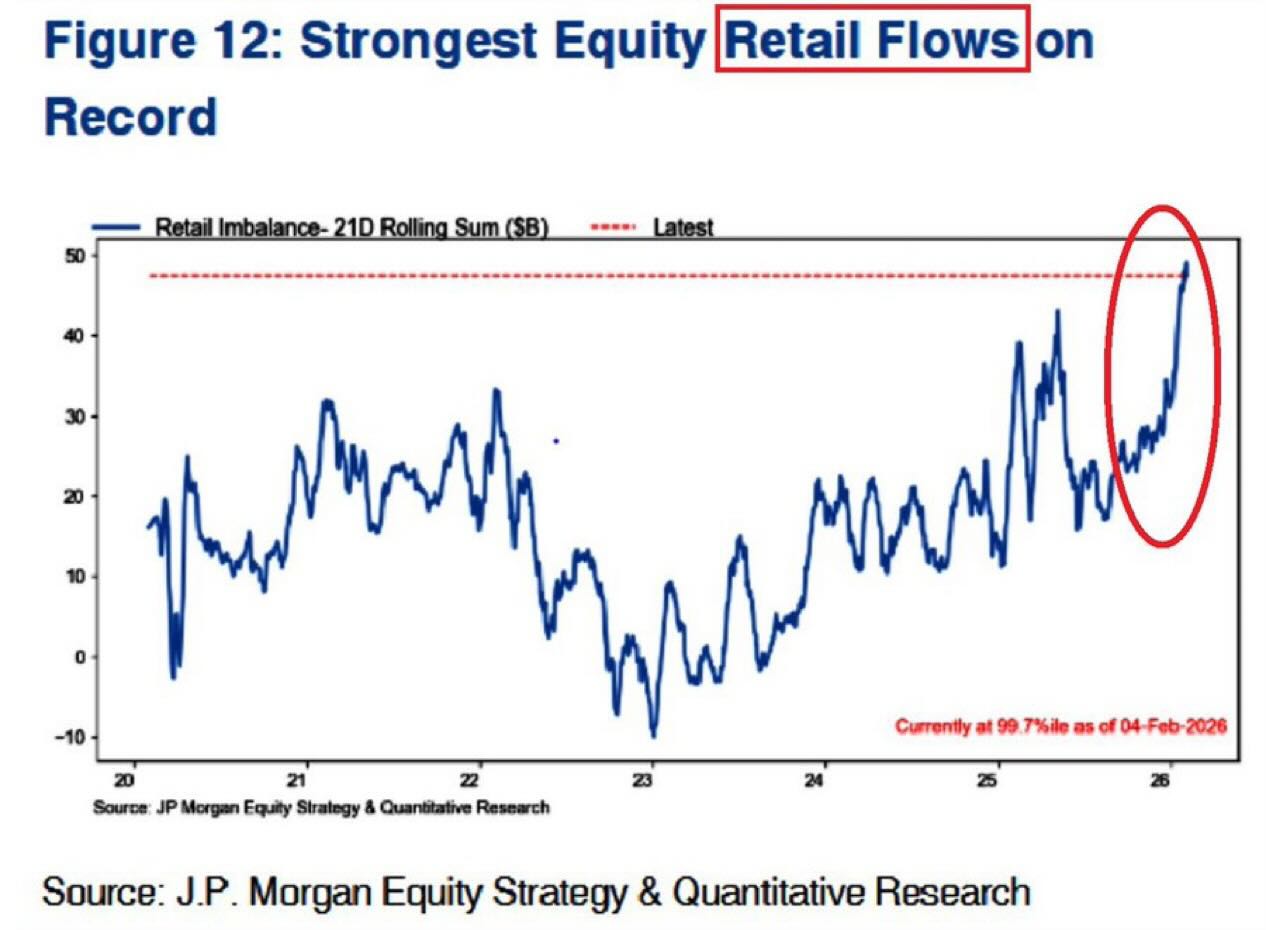
Asset markets—particularly equities—continue to trade near historic highs despite multiple warning signals. Indicators such as the inversion of the yield curve, rising macroeconomic imbalances, and structural vulnerabilities highlight potential instability.
This report outlines interconnected risks currently shaping the macroeconomic environment and their potential implications for investors and policymakers.
Inflation and CPI Methodology
CPI Calculation and Imputation
The Consumer Price Index (CPI) is a key measure of inflation in the United States. Statistical techniques like imputation are used to fill missing price data by estimating values based on similar observations. Recent trends show a dramatic increase in cell imputation, raising concerns about CPI accuracy.
Commodities and Services Survey
If specific price data is missing, the BLS applies home cell imputation using average price changes within the same geographic region. If all home cell prices are missing, broader regional or carry-forward imputation is applied.
Housing Survey
In the housing component, vacant units use estimated rents based on comparable occupied units. Long-term vacant units use averages from similar categories. Newly built homes in some regions are sometimes cheaper than existing ones due to oversupply and affordability pressures.
Oil Prices as a Leading Inflation Indicator
Energy costs strongly influence CPI, particularly gasoline prices. Sharp oil price increases often precede higher inflation, acting indirectly like a tax on consumers and businesses. Historically, major spikes in oil prices have frequently preceded sustained CPI growth.
The Yen Carry Trade and Global Liquidity
The yen carry trade has long been a critical source of liquidity. Investors borrow in low-yield Japanese yen and invest in higher-yield assets abroad. Rising Japanese rates and declining U.S. rates shrink this differential, forcing unwindings and potential volatility spikes.
Risks for the U.S. Treasury Market
Japan holds approximately $1.2 trillion in U.S. Treasuries. Rapid repatriation could trigger selling, push yields higher, and increase borrowing costs, transmitting stress into the U.S. debt market.
Conclusion
The combination of global liquidity shifts, geopolitical tensions, and market imbalances creates a fragile macroeconomic environment. Investors should monitor signals closely and consider defensive allocations.